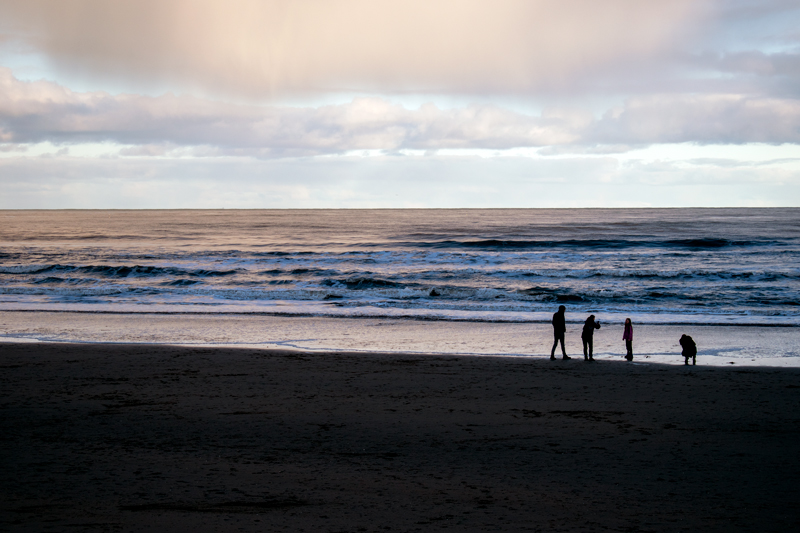
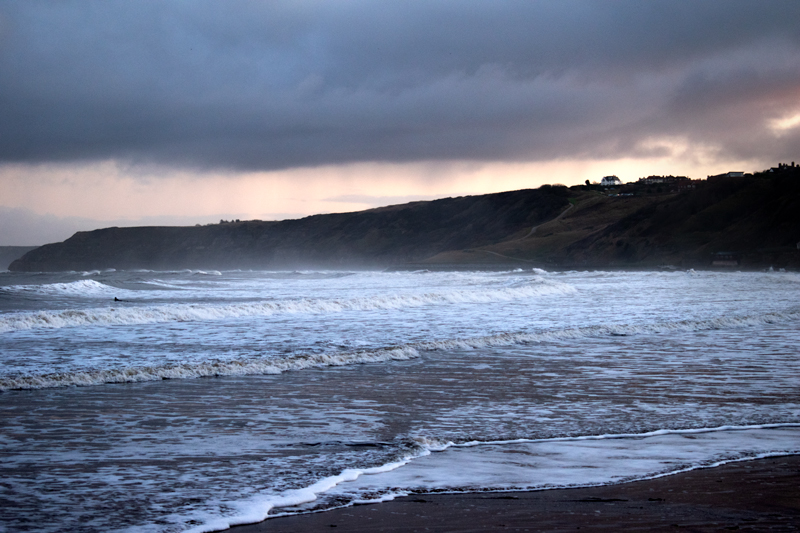
- Taken on a Nikon D3500 with an 18.0 – 55.0mm lens. Focal Length 55.00mm Exposure 1/500 sec f/5.6 ISO 110
Not taking photos for several days seems to take its toll on me, I miss it rather a lot.
Not taking photos for several days seems to take its toll on me, I miss it rather a lot.
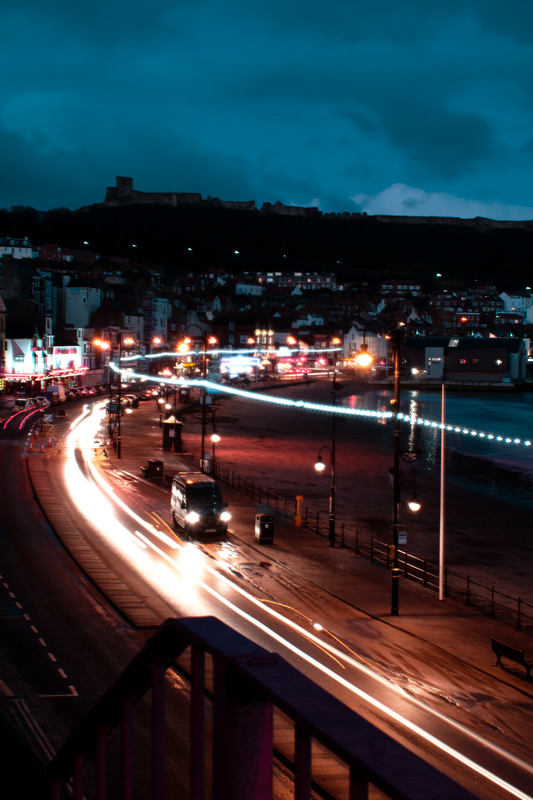
Even in the darkest parts of the night, there will always be light cast from the cities, towns and villages. ”Light pollution, also known as photo pollution, is the presence of anthropogenic and artificial light in the night environment. It is exacerbated by excessive, misdirected or obtrusive use of light, but even carefully used light fundamentally alters natural conditions.”
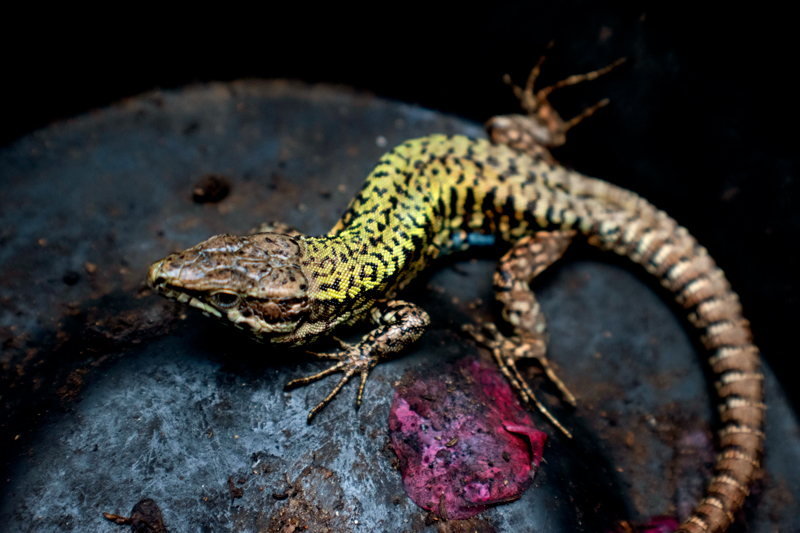
Photographs aid us in remembering our experiences in life. They are like an extension of our memories, a visual window into our past. In the digital age people forget to live, so fixated on making sure that they won’t forget their actions.

I found the tiniest mushroom whilst walking along the ditch this afternoon. It had pushed its way up, through the leaf litter, it’s tiny stem supporting it from an angle.
Guest post by Monika Dutta; Artist, teacher and co-founder of a little piece of land .
March 2013, Juliette Jowit writes in The Guardian
Debate about climate change has been cut out of the national curriculum for children under 14, prompting claims of political interference in the syllabus by the government that has failed “our duty to future generations”.
The latest draft guidelines for children in key stages 1 to 3 have no mention of climate change under geography teaching and a single reference to how carbon dioxide produced by humans impacts on the climate in the chemistry section. There is also no reference to sustainable development, only to the “efficacy of recycling”, again as a chemistry subject.
The move has caused alarm among climate campaigners and scientists who say teaching about climate change in schools has helped mobilise young people to be the most vociferous advocates of action by governments, business and society to tackle the issue.
“What you seem to have is a major political interference with the geography syllabus,” said the government’s former science adviser Prof Sir David King. He said climate change should be taught alongside the history of – successful – past attempts to curb chlorofluorocarbon (CFC), which is blamed for the depletion of the ozone layer, and air pollution caused by coal fires and cars.
“If all of these aren’t issues for geography classes, then where should they be taught?” asked King. “It would be absurd if the issues around environmental pollution weren’t core to the curriculum.I think we would be abdicating our duty to future generations if we didn’t teach these things in the curriculum.”
The draft contrasts with the existing curriculum: under the heading of geography, there are several mentions of the interdependence of humans and their environment and the impact of that on change, including “environmental change”. The current syllabus explicitly discusses sustainable development and “its impact on environmental interaction and climate change”.
https://www.theguardian.com/environment/2013/mar/17/climate-change-cut-national-curriculum
June 2017, Sean Coughlan reports for the BBC
Did Michael Gove really try to stop schools in England from teaching about climate change in geography?
His ministerial return, as secretary of state for the environment, food and rural affairs, has prompted a wave of claims that Mr Gove tried to remove the teaching of climate change when he was in charge of the education department.
“This is a man who tried to stop young people in our schools learning about climate change, who tried to take it out of the geography curriculum,” said Caroline Lucas, co-leader of the Green Party…..
Another person involved in the rewriting of the geography curriculum remembers ministerial interventions and political horse-trading.
They describe attempts not to “stress the human causes” of climate change as an attempt to placate the “right wing of the Conservative party”.
Mr Gove was described as wanting to make specific changes to the wording. …..
https://www.bbc.co.uk/news/education-40250214
October 2018,Kings College London News Centre publish
How does teaching in the UK prepare students for the study of the environmental factors that lead to climate change? The report “Understanding Environmental Education in secondary schools in England” presents a review by experienced teachers, subject association and learned society staff, and those involved more widely in the environmental education sector.
The research carried out by Dr Melissa Glackin and Dr Heather King from the King’s College London Environmental Education Research Group, was funded by a British Academy / Leverhulme Small Research Grant. The report responds to recent curriculum and assessment reforms in England which resulted in the removal of environmental education as one of four core pillars underpinning the National Curriculum (Martin et al., 2015).
The report is timely, its release coinciding with the Intergovernmental Panel on Climate Change (IPCC) report (8th October 2018) which demonstrated the grave current climate change situation, with the consequences of 1°C of global warming already evident in more extreme weather, rising sea levels and diminishing Arctic sea ice.
The report found that the provision of environmental education in England is complex, contested and circular. Currently, environmental education has no defined home resulting in the subject ‘falling through the gaps’. Coverage is patchy, and the quantity and quality of environmental education is dependent on the teachers’ own beliefs and whether the students study geography at KS4 (14-16 years). Environmental education content straddles geography and science departments with no single department having a clear overview of, or responsibility for, students’ exposure to a coherent education about, in and for the environment.
The review also found that there is a mismatch between what teachers see as the potential for environmental education – a hook for students, an opportunity to teach 21st century skills, and a vehicle for enabling community and environmental activism – and the current curriculum focus perceived as subject acquisition. Negative attitudes may be further heightened by environmental education content being frequently pitched at a global/systemic level and removed from the local and personal. In other words what can students do in their own lives to protect the environment for their future and generations to come? Given the gaps and mismatches in provision and responsibility, Glackin and King suggest that attention needs to be turned to ensuring schools are supported to develop citizens who have the knowledge, skills and conviction to positively respond to future global and local environmental issues impacting communities and our ecosystems.
Examination boards also must shoulder some of the responsibility to ensure students are fully educated in environmental issues, including the importance of taking action to mitigate the problems originating from human activity. Collectively these measures are only a start but constitute a vital first step.
https://www.kcl.ac.uk/news/understanding-environmental-education-in-secondary-schools-in-england-1
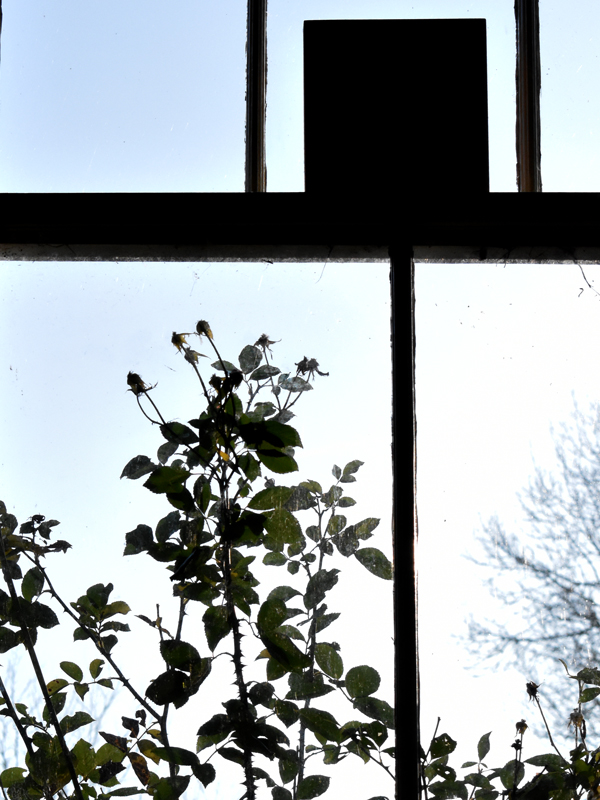
The roses that grow beneath the living room window are pressed against the glass, for once untouched by the farmer’s chainsaws and clippers. For the first winter in years they have been left to grow wild, to move freely and continue their journey across the flower patch.
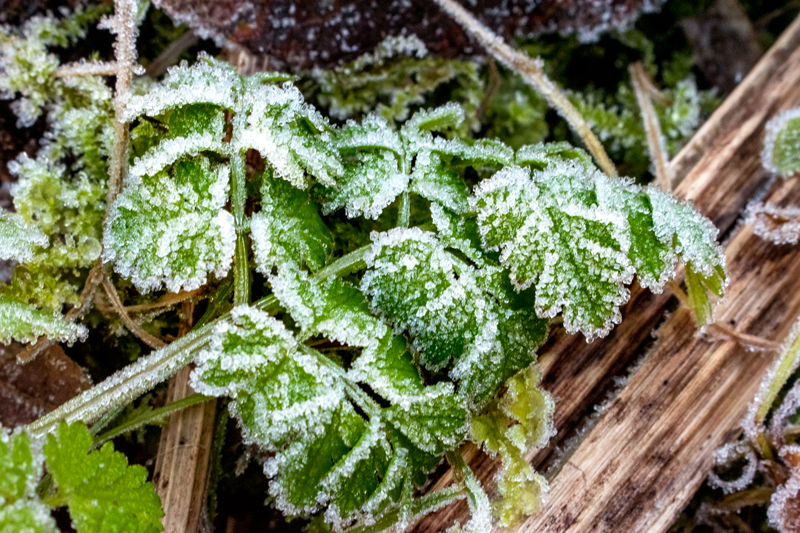
The frost is out. My breath forms clouds of steam in the cold, biting air and each movement causes a loud crunch from beneath my feet. The leaves that fell last month are now coated in layers of ice, the fractals glistening when the sunlight hits at the right angle. The white landscape makes me feel calm and each crunch rings out loudly, no other sounds present in the still air. It feels like I am the only person alive.
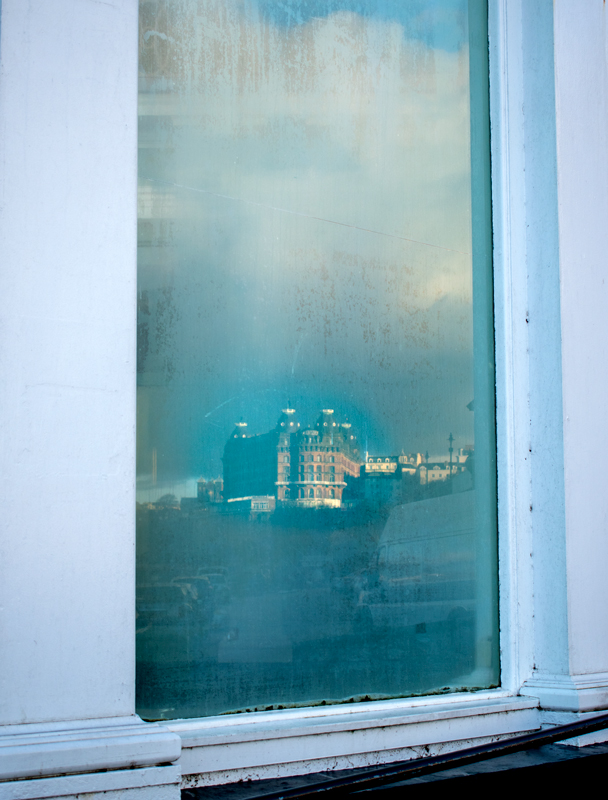
When the unexpected becomes something beautiful.
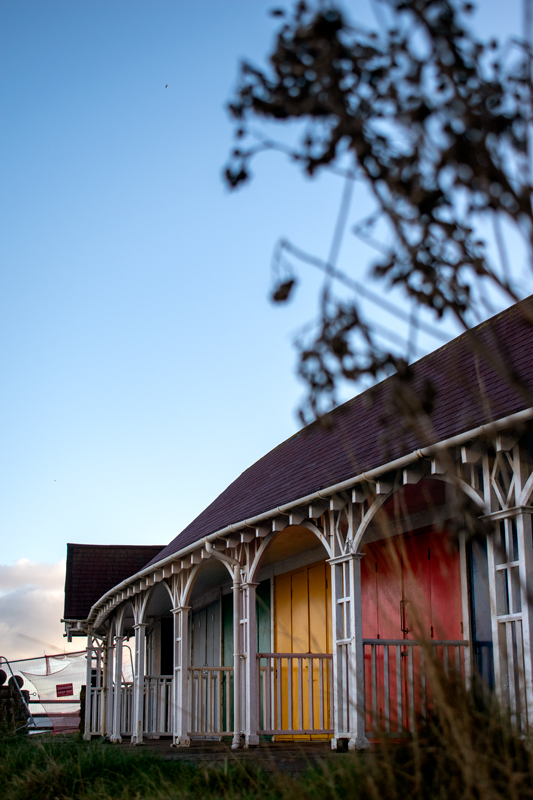
Whilst in Scarborough today I went along the seafront past the Spa and to this little row of beach huts. The bright colours of the doors caught my attention amongst the rather bleak landscape. The area looked abandoned, old weeds growing tall in front of the block and messy metal fencing hanging at awkward angles. The cold weather made me feel very out of place, the brightly painted doors and rolling waves behind me belonging in a much warmer, sunnier setting.
”Never doubt that a small group of thoughtful, committed citizens can change the world; indeed, it’s the only thing that ever has.” -Margaret Mead